Sealpoint

What Is Shore A Hardness?

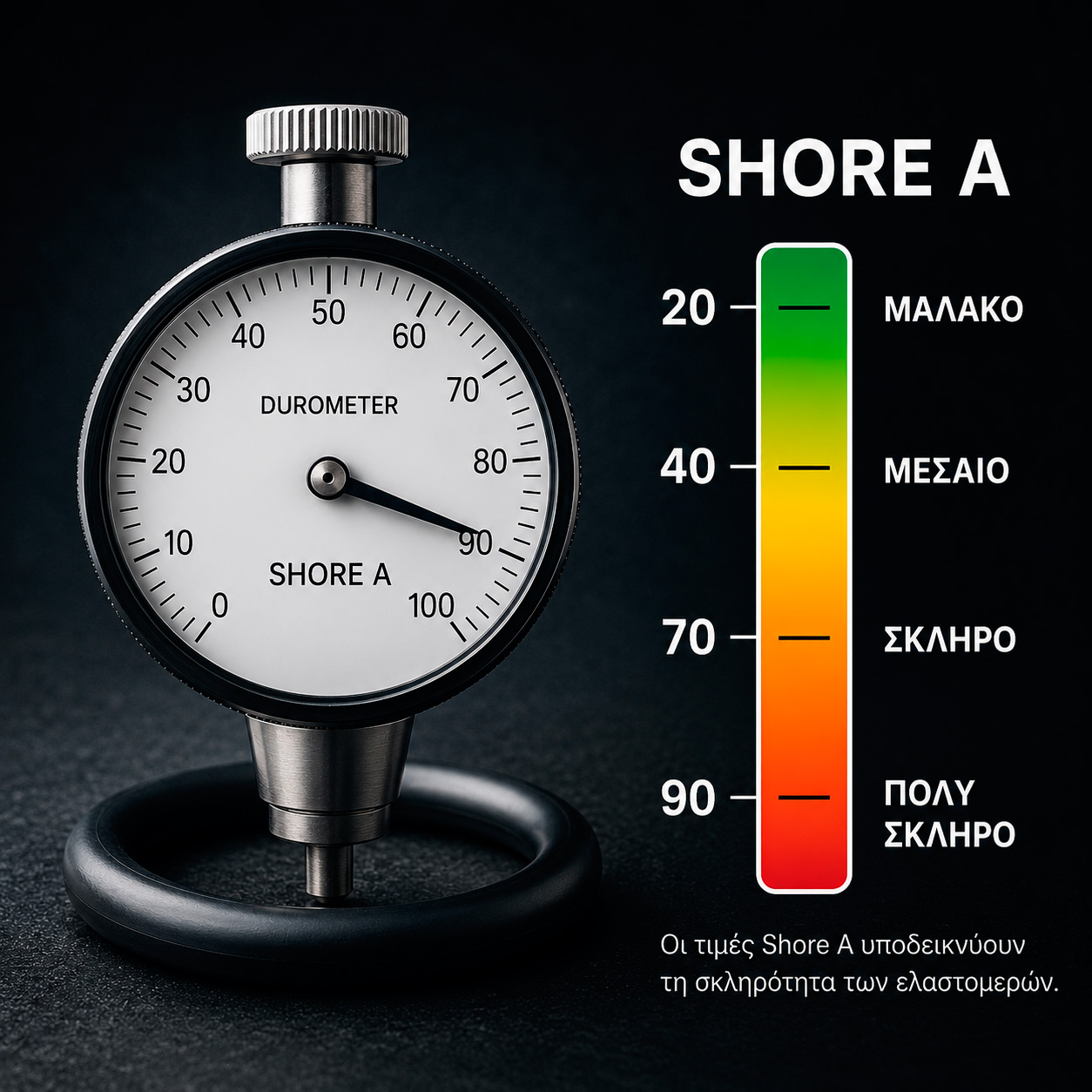
Shore A hardness is the scale used to measure the hardness of elastomeric materials such as O-rings and seals. The higher the Shore A value, the harder the material.

Typical Shore A Hardness Guide

Shore A Description Typical Application
40 Very Soft Special low-pressure applications
50 Soft Delicate sealing surfaces
60 Moderately Soft Specialized applications
70 Most Common General industrial applications
80 Hard Higher-pressure applications with improved extrusion resistance
90 Very Hard High-pressure and demanding operating conditions

How Does Shore A Hardness Affect Performance?

Lower Shore A Hardness

  • Better conformity to sealing surfaces
  • Suitable for low-pressure applications
  • Greater flexibility and elasticity

Higher Shore A Hardness

  • Increased resistance to deformation
  • Better performance under high pressure
  • Improved resistance to seal extrusion

Which Shore A Hardness Is Most Common?

For most industrial sealing applications, 70 Shore A is the preferred choice because it provides an excellent balance of sealing performance, flexibility, and durability.

The correct hardness should always be selected based on the application's operating pressure, temperature, media compatibility, and overall service conditions.